
When it comes to the community’s response to trauma and anxiety, Daniel D. Lee calls for a closer look at the dynamics of racism and the migrant experience.
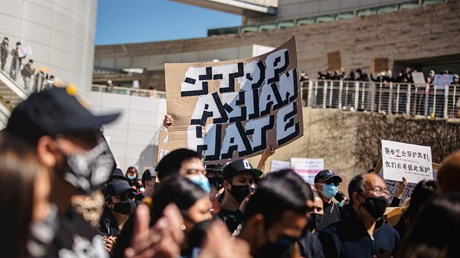
The past several years have seen a sharp rise in violence against Asian Americans.
In 2020, the FBI recorded a 73 percent increase in anti-Asian hate crimes. Over the next two years, the Stop AAPI Hate reporting center documented over 11,000 self-reported discriminatory incidents, two-thirds of which were categorized as harassment.
Acts of violence against Asian Americans, including a rash of physical assaults in New York City and the 2021 Atlanta spa shooting, have captured the national media. And a recent shooting in Monterey Park, California, by a Chinese American man stirred up similar sentiments of stress and anxiety.
But that heightened anxiety is contrasted against a sense of personal and cultural sublation among the diaspora that can make both verbalizing and addressing these stressors difficult.
While a wide majority of Asian Americans believe that violence against them is increasing, they are also the least likely of all US racial groups to report incidents of hate or utilize mental health services. Instead, many Asian Americans slouch into a form of cognitive dissonance, often defaulting to criticisms of themselves and their own cultural values while struggling to fully acknowledge the racialization they face—a result of what author Cathy Park Hong calls “minor feelings,” or “the racialized range of emotions that are negative, dysphoric, and therefore untelegenic.”
For Asian American Christians to address the increased stressors within their communities, Daniel D. Lee, a professor of theology and Asian American studies at Fuller Theological Seminary, believes they’ll need to more fully embrace and examine their own heritage and theology—understanding the way both have been shaped …